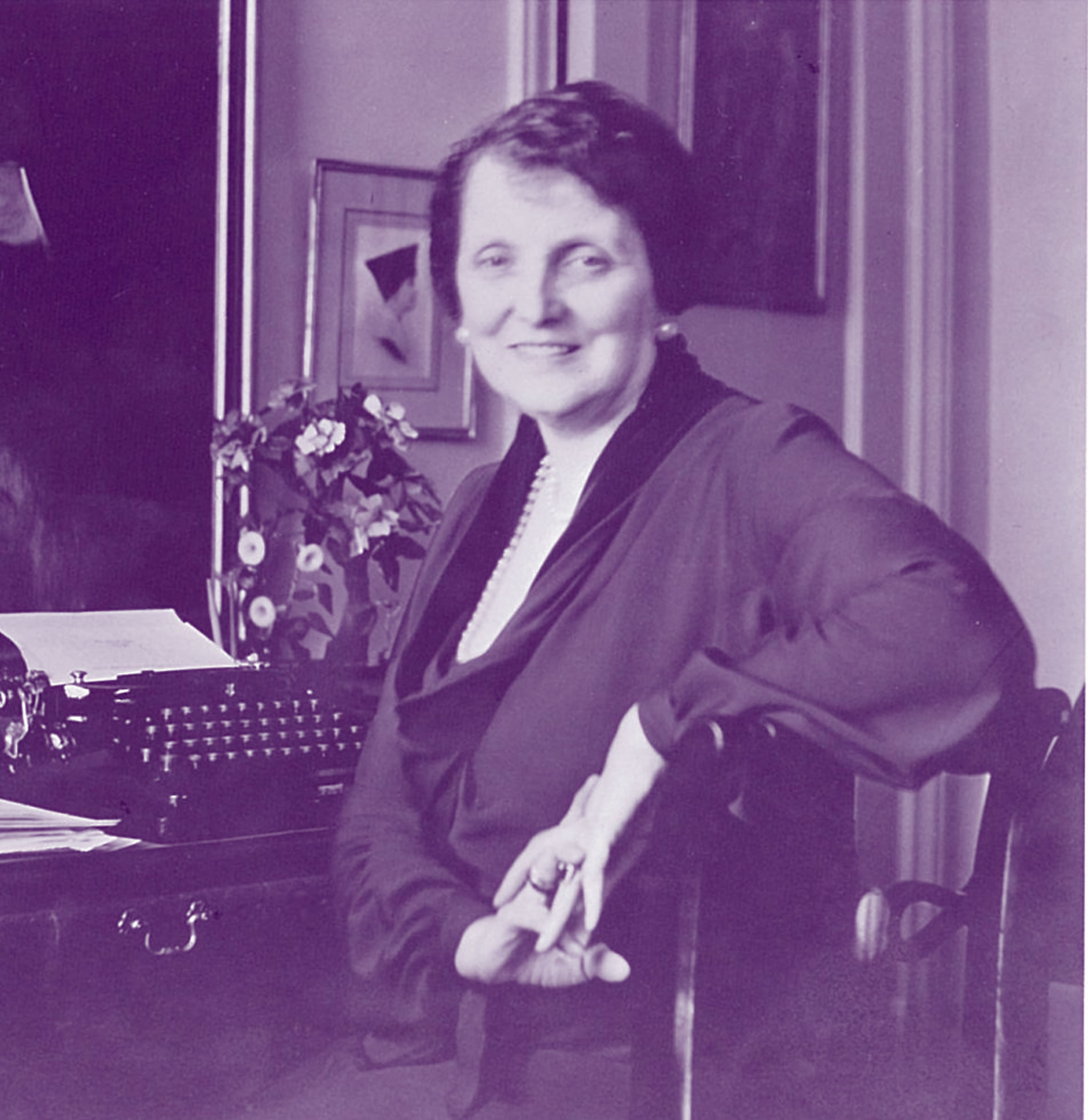
In the world of entrepreneurship and writing, we often talk about The Circuitous Path™—the unexpected, twisting journey that leads us exactly where we are supposed to be. In the winter of 2012, that path led Kim and me into a quiet, dusty used bookstore in Riverside, California.
Kim and I have been teaching our How to Be Classy social presence and etiquette seminars since 1991. Naturally, whenever we travel, we keep an eye out for vintage texts. Hunting through a stack of old hardcovers, I pulled down a plain, faded copy of Emily Post’s classic textbook, Etiquette: The Blue Book of Social Usage.
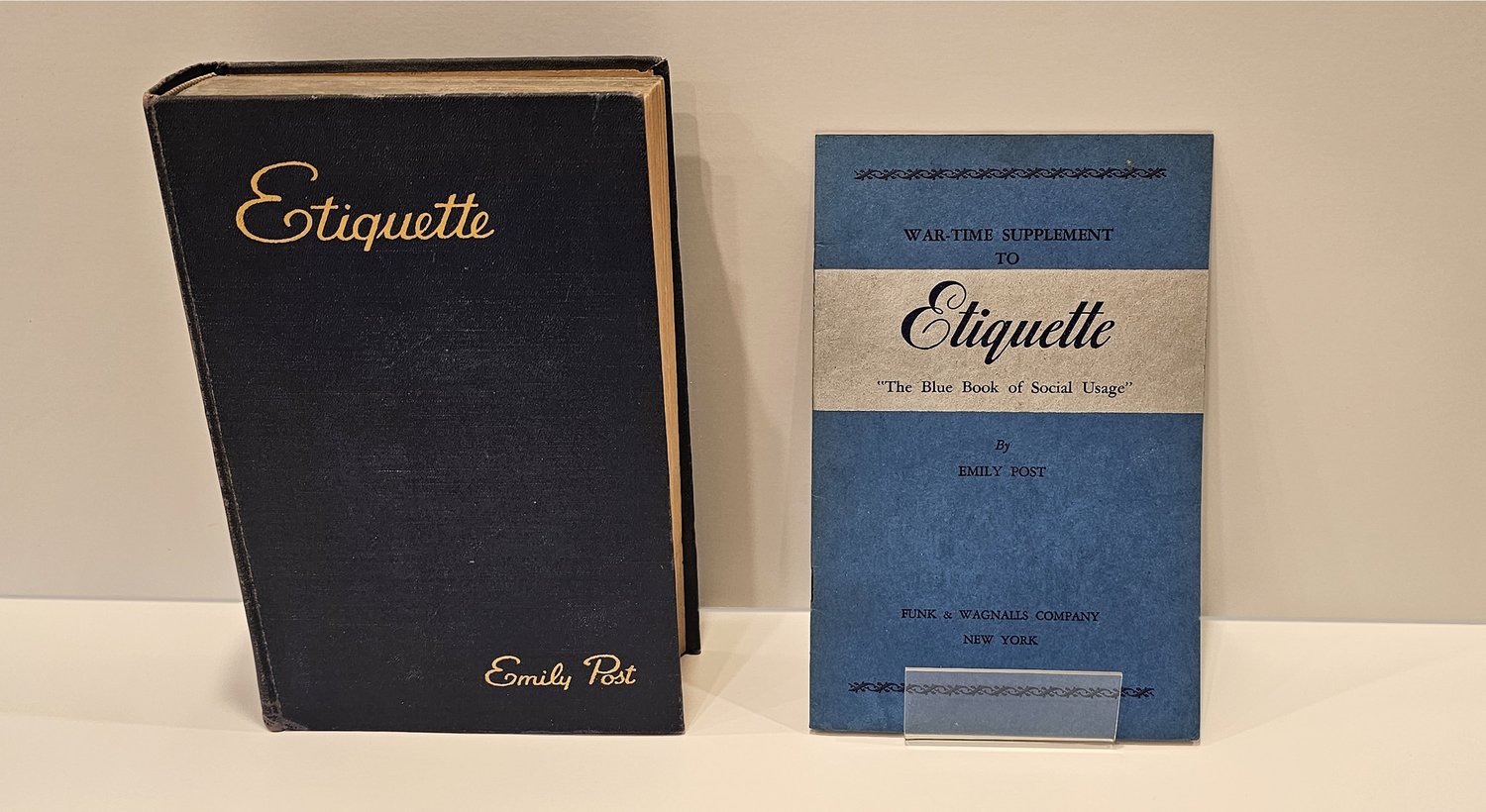
Opening the front cover, we saw a penciled price tag from the shopkeeper: $7.50.
But as we flipped the page, a profound literary mystery unfolded before our eyes. We had just stumbled upon a museum-quality time capsule hovering right at the absolute center of Emily Post’s inner circle.
Clue 1: The Note to “Dearest Addie”
In sharp, stylized fountain pen ink was a rare, double-signed personal inscription written by Emily Post herself. She was writing to a close confidante whom she affectionately addressed as “Dearest Addie.”
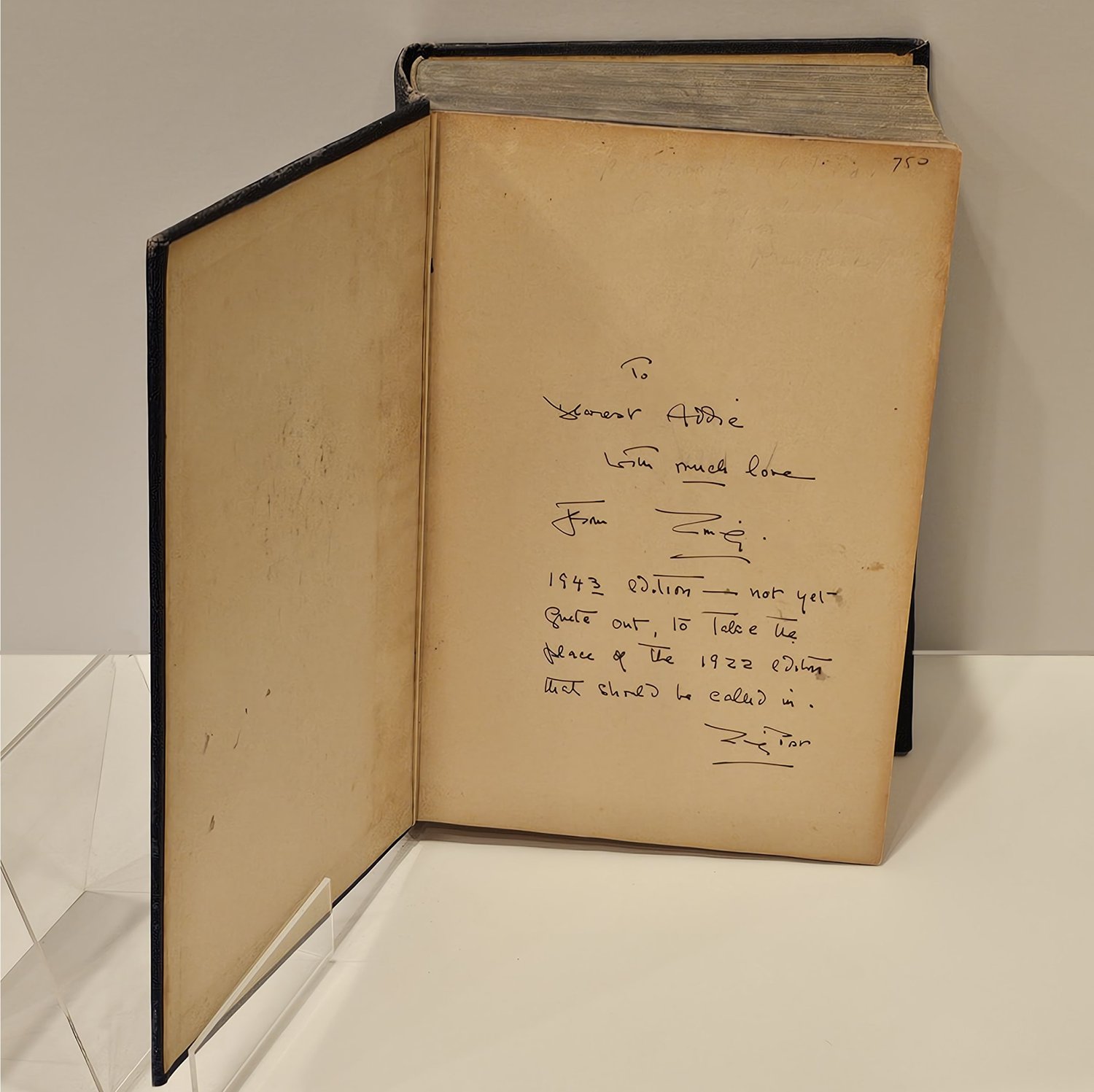
The note was a fascinating, behind-the-scenes glimpse into a publishing empire operating at full speed during the chaos of World War II. Emily wrote to Addie explaining the frantic printing schedule of a major new release, noting that the “1943 edition” was “not yet quite out” and giving inside-baseball instructions that the outdated older editions “should be called in.”
The first piece of the puzzle was identifying “Addie.” Emily Post was notoriously private, relying on an incredibly tight-knit inner circle. The note was destined for Adelaide “Addie” Poor, a prominent East Coast family friend closely tied to Emily’s social sphere. It reads exactly like an exclusive, personal insider update to a dear friend who had likely asked, “Emily, darling, when is the new wartime edition finally coming out?”
Clue 2: The Jagged Edge of History
Tucked safely inside the heavy hardcover was a separate, fragile artifact: a thin booklet titled War-Time Supplement to Etiquette.
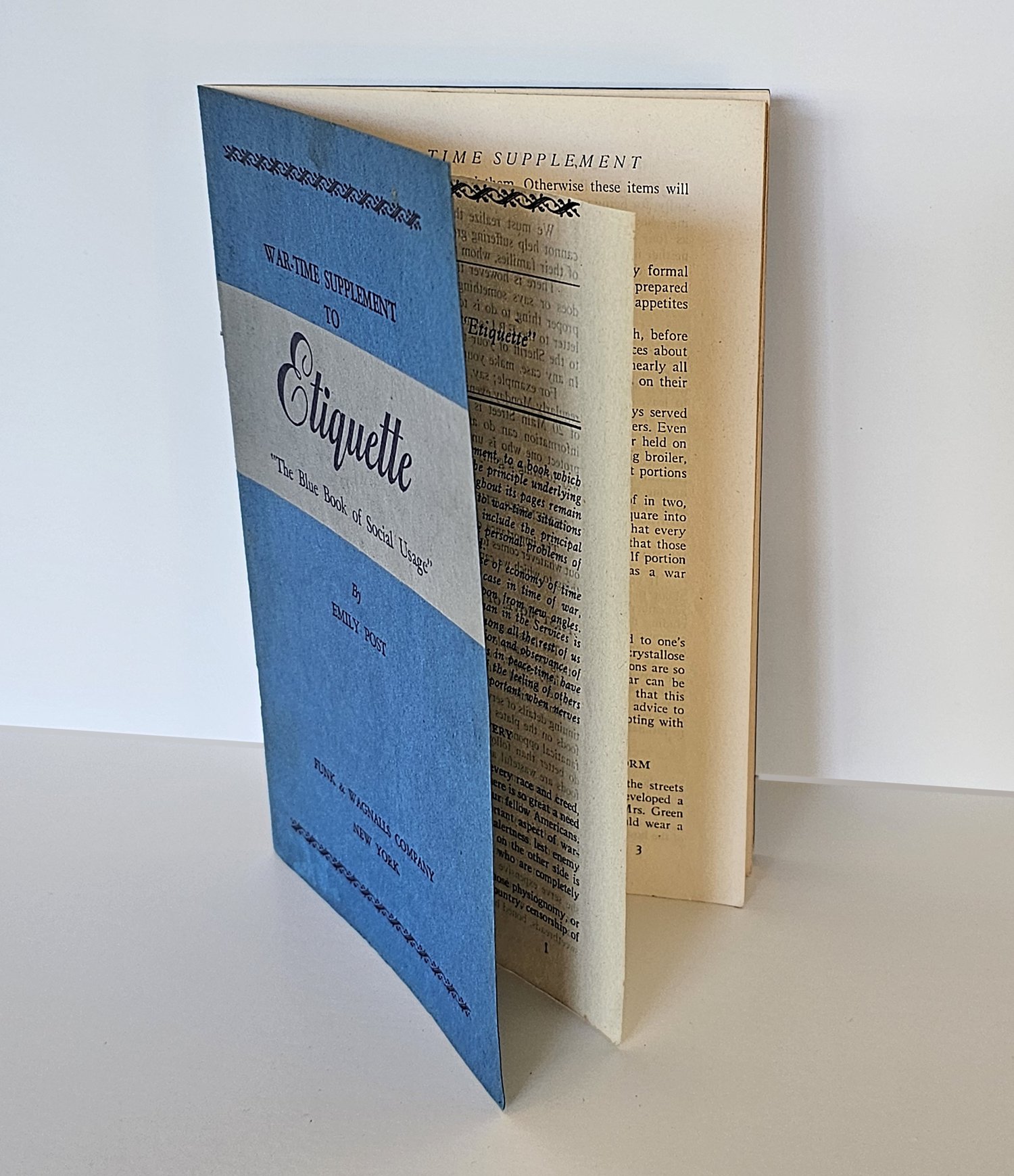
During World War II, paper shortages prevented publishers from permanently reprinting massive, 900-page textbooks immediately. To guide a changing nation through a global crisis, Emily Post rushed out these thin, disposable supplements to cover unprecedented dilemmas: throwing a wedding on a soldier’s 48-hour military leave, dealing with meat rationing, and entertaining guests without household help.
But this specific copy held an anomaly. While the booklet was mechanically precise and pristine in every other way, the absolute top half-inch of the very first page had been cleanly sliced away with a pair of desk scissors—a smooth, slightly diagonal cut.
In the publishing world of the 1940s, internal office proofs and advance review copies carried rigid corporate tracking numbers or “Property of the Publisher” stamps at the very top margin. Because Emily was gifting this book to a beloved friend, she didn’t want it looking like a cold piece of company inventory. Sitting at her desk, someone—perhaps Emily herself—took a pair of shears, smoothly sliced off the official corporate markings, and transformed a publisher’s proof into an intimate, legendary keepsake.
Clue 3: The Smoking Gun
For years, the exact relationship between the loose wartime pamphlet and the hardcover book remained a fascinating question. But a closer look at the book’s title page provides the ultimate, definitive proof that solves the mystery.
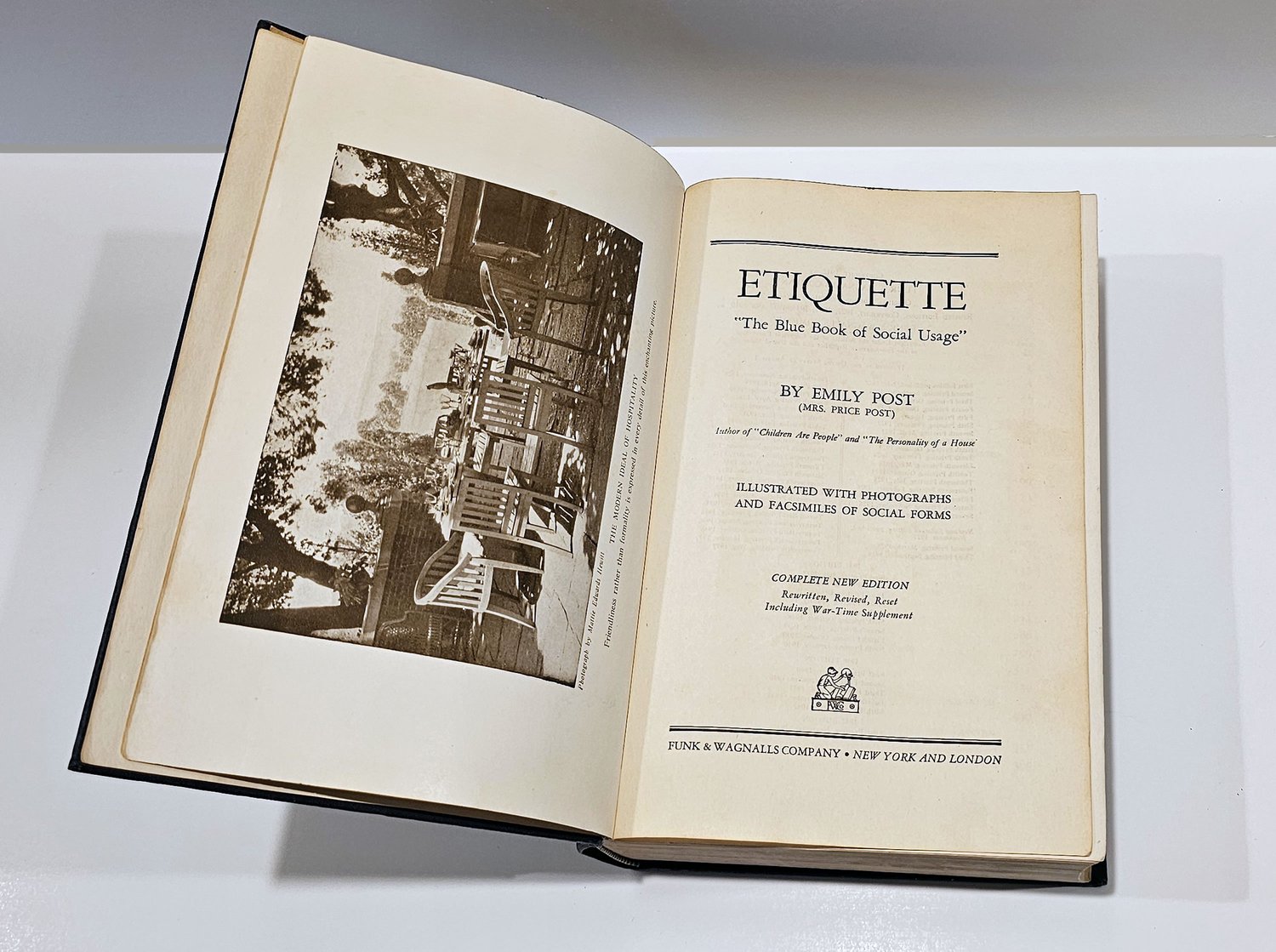
Printed boldly near the bottom of the title page are the words:
This single image connects all the dots. When Emily Post penned her note stating the new edition was “not yet quite out,” she was holding an advanced, first-run copy of this exact structural overhaul. The loose, hand-trimmed pamphlet tucked inside wasn’t just a random insert; it was the final standalone bridge piece used just before Funk & Wagnalls permanently integrated the wartime rules into the bound layout of the hardcover text itself.
The Mystery Solved
How did a personalized, confidential artifact from Emily Post’s inner circle travel from New York to a dusty shelf in Riverside, California?
During the war, Riverside’s March Field was a massive hub for military officers and community leaders navigating those exact wartime changes. Decades later, as a generation changed and an estate was eventually cleared, a box of old hardcovers was hauled to a local shop. The shop owner, seeing only a plain vintage spine, priced it for pocket change. It sat quietly on that shelf, waiting for someone who understood its true value to finally open the cover.
Finding that book after over twenty years of teaching our own seminars wasn’t just a stroke of luck—it felt like a quiet validation from the universe.
Today, that $7.50 volume sits proudly on our shelf in Fallbrook. It stands as a beautiful, physical anchor to the legacy Kim and I continue to build together, and a definitive reminder that the pursuit of grace, dignity, and human connection is a timeless path.